Grief is generally seen as the intense sorrow or reaction to loss. It is usually caused by death or the experience a person has in the process of dying. Although there are different stages defined for grief, no one experiences grief the same.
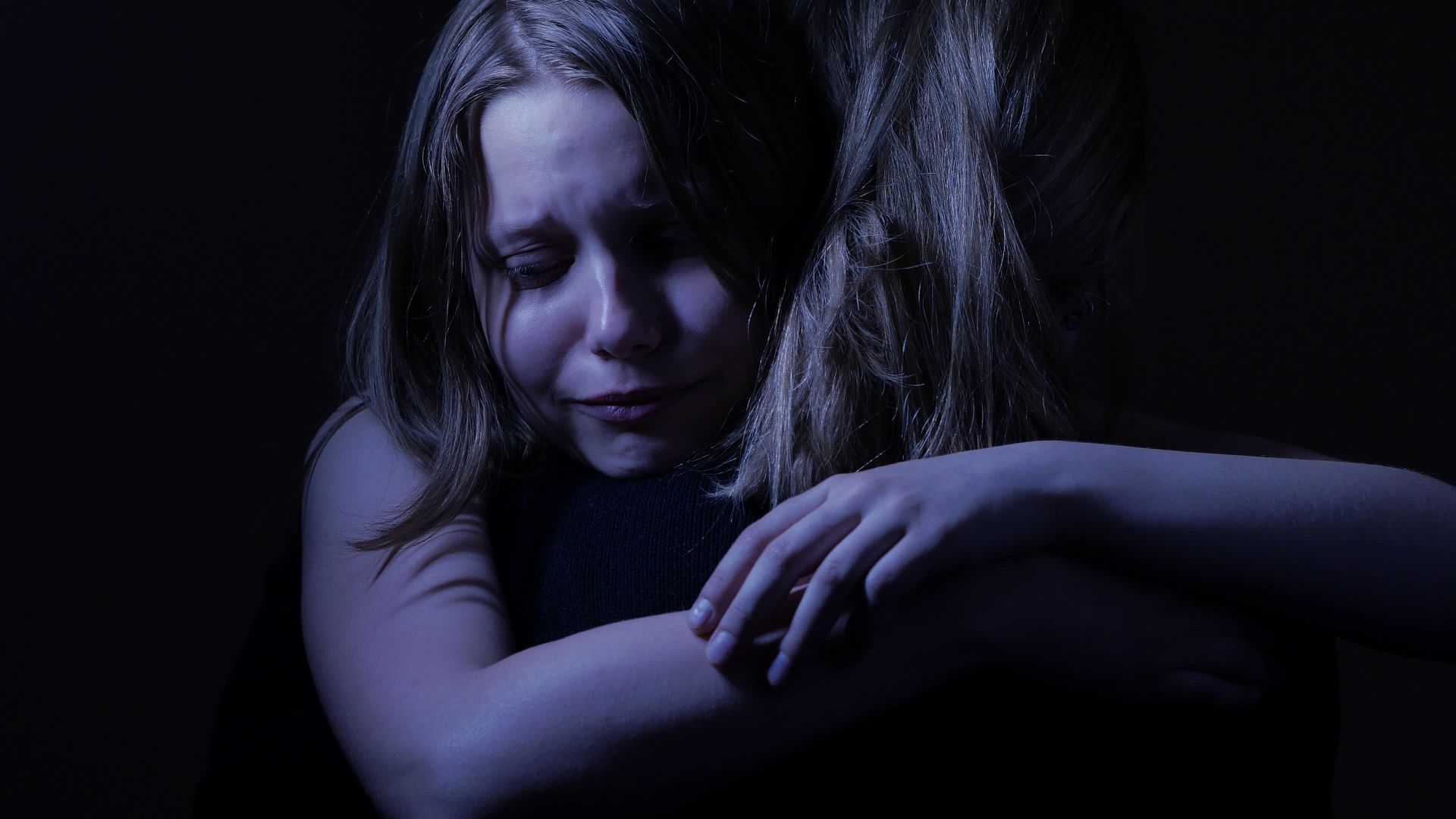
Stages of grief:
Denial:
This is where the person can’t believe that the loss has occurred. The person might say things like “It can’t be real, I just saw him an hour ago”. The person might pick up the phone to phone the deceased or wait for them to walk into the house at a certain time, only to remember that the person has died.
This is a vital stage as it helps the person survive the original shock of the loss. It is the body’s ways of helping the person cope.
Anger:
The anger in grief is not always logical anger. It can range from anger towards God to anger against the deceased. You might hear the person say “I am so angry at him for dying, if only he didn’t go walking alone, he wouldn’t be alone when he had the heart attack.” Why did God take my child?” It is normal to be angry and it is part of the healing process.
Bargaining:
This is the stage where people try to bargain their situation. “God if you don’t let him die I will be a better mother”. “God if you let me wake up and it is just a dream I will be a better wife.” “God if you heal me from this terminal disease I will do better”.
Depression:
A certain period of depression is normal after death. During this period the person will be sad and teary and not be interested in life. Getting out of bed might be a struggle. Although there is no time period on how long to be sad the person should after a period of depression be able to live doing day to day activities efficiently again.
Acceptance:
This does not always mean the person will accept the death that occurred. Acceptance in the death of the elderly might be easier to accept than that of a young child. Acceptance means creating a life now without the person. It means to begin to live again. Often time this goes hand in hand with guilt. People feel guilty to be happy again without the person they have lost. Some people accept the death by creating charities and support pages to keep the persons memory alive.
Although the stages of grief are defined it is not as clear cut as people may want it to be. They don’t always occur in the same order or for the same duration of time. Grief is not a timeline with a clear beginning middle or ending. It has peaks that come with anniversaries and special dates. It sneaks up on people when they least expect it and strange things can trigger memories.
People may require grief counselling at different times. It differs from person to person. Grief counselling helps a person to re define their lives going forward and to deal with the anger and sadness they are experiencing.