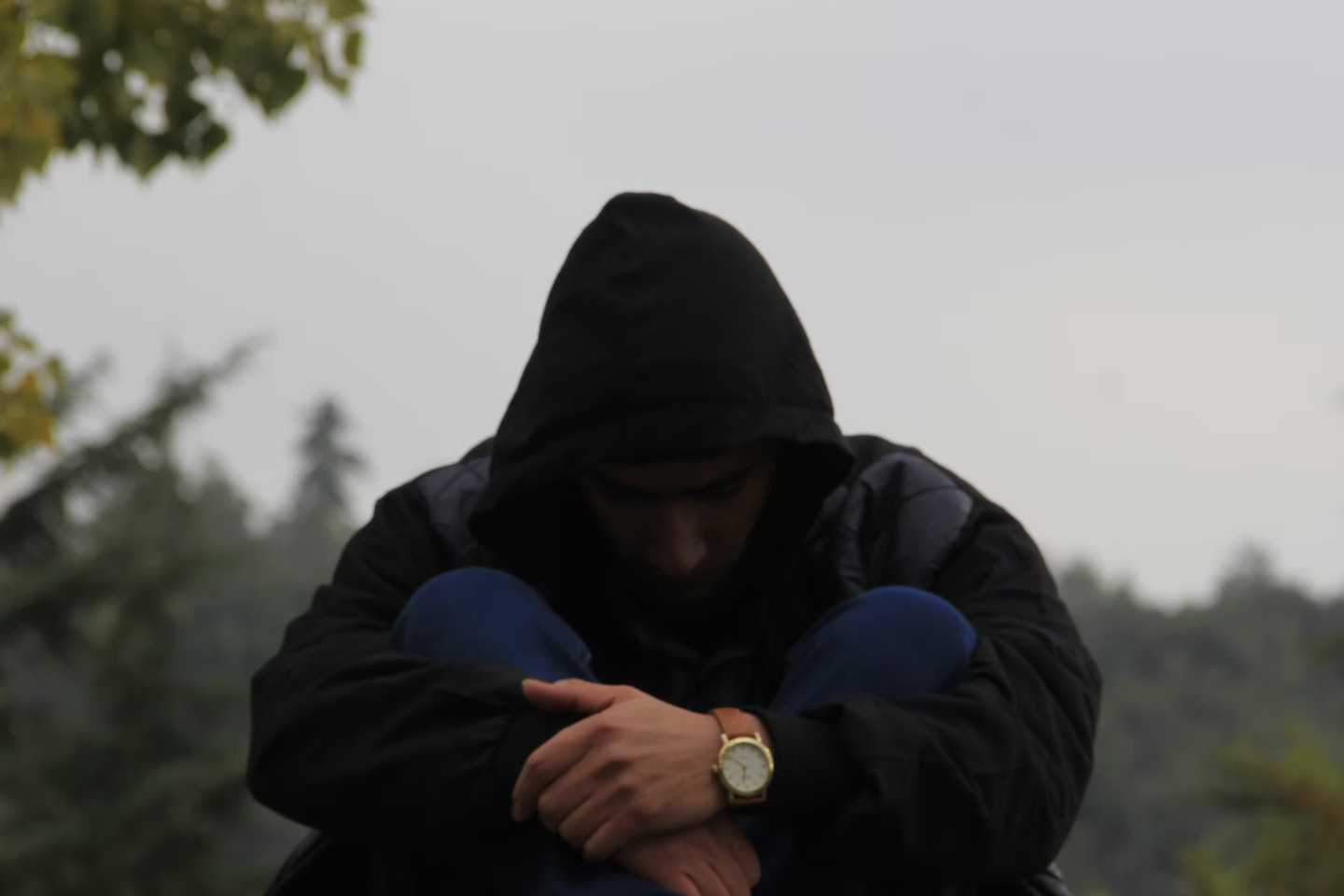

In today’s times many people experience trauma at some or other stage in their lives. The definition of trauma is often not agreed on but is generally seen as an intensely disturbing and awful event that leaves the person feeling powerless and helpless. Some people define it as the experience of sheer horror.
Not all people react the same to traumatic events. Some people seem to bounce back fast while others experience the impact of a trauma for much longer. This can be influenced by many factors such as the person’s personality, the type and the duration of the trauma and many other factors.


There may be different symptoms and it is normal to experience them after a trauma.
- Disbelief and shock that it happened to you.
- Intense fear. Getting frightened by sounds and movements.
- A feeling of anxiety.
- Feeling helpless.
- Either thinking of what happened the whole time or avoiding any thought of the event.
- Thoughts of what you could have done different. “If only I did this?”
- Blaming you for what happened.
- Physically feeling unwell.
It is advised to do a debriefing session with a counsellor 48 to 72 hours after the trauma. A debriefing session creates a safe space, to work through the trauma and the related emotions. These sessions will work on enabling the person with coping strategies to deal with the event and to live efficiently again. Although this is the advised time to seek counselling, counselling can be sought at any stage the person feels they are not coping well.
If a person that needs counselling avoids counselling, it could lead to PTSD (Post Traumatic Stress Disorder). PTSD is defined in the DSM and the symptoms generally occur a month or more after the event and include symptoms of re-experiencing, avoidance and arousal symptoms. A psychologist will need to do an assessment and long-term treatment might be needed.